Rochester Premier Insulation

Blown-In Insulation

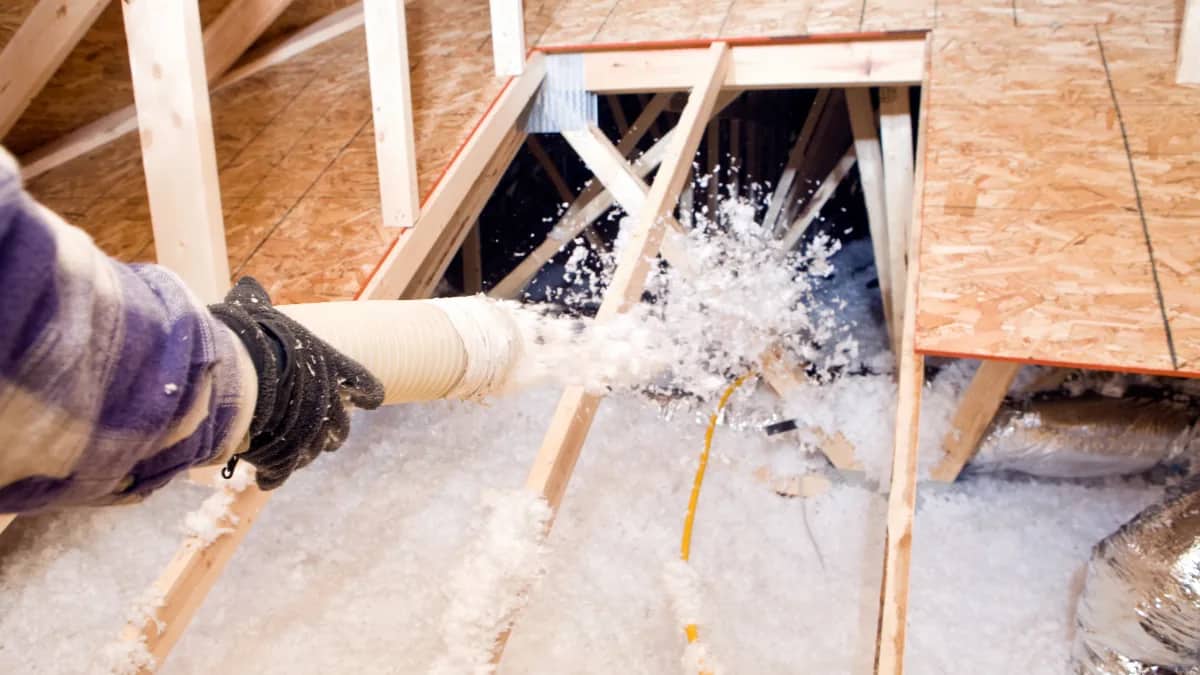
Rochester Premier Insulation blows cellulose and fiberglass insulation into attic floors and closed walls for homes in Rochester, MN. As a blown-in insulation contractor, we choose the product and the method by the cavity: loose fill for open attics, dense-pack for walls that are already drywalled or plastered. Each installation starts with a free on-site estimate listing the product, the target depth or density, and how any access holes get patched.

The same setup runs in Byron, Stewartville, Pine Island, and Kasson.

  • Loose-fill cellulose at roughly R-3.2 to R-3.8 per inch
  • Dense-pack walls at about 3.5 lb per cubic foot
  • Access holes plugged and patched before we leave
  • Air sealing done before any fill goes in
Get My Free Estimate

Get Your Free Estimate

We will call you to set up your free estimate.

Blown-In Cellulose and Fiberglass Installation

Loose fill over an attic floor and dense-pack in closed walls are the two ways we blow insulation. The product follows the cavity.

Blown-In Cellulose

Cellulose is recycled paper fiber treated with borates for fire and pest resistance. Loose-fill cellulose runs roughly R-3.2 to R-3.8 per inch and packs tighter than fiberglass, which slows air moving through the layer. The borate treatment also helps it resist mold and insects, though it still has to stay dry.

It is the usual pick for dense-packing walls and for older attics with odd framing. Cellulose insulation installation is dusty work, so the attic hatch gets masked and the blowing machine stays outside with the hose run in.

Blown-In Fiberglass

Loose-fill fiberglass is spun glass fiber, lighter than cellulose at roughly R-2.2 to R-2.8 per inch, so it takes more depth to reach the same R-value. It does not soak up water the way cellulose does, and being lighter, it puts less weight on older ceiling drywall.

Fiberglass fits attic floors with plenty of height and top-offs where the existing layer is also fiberglass. Mixing the two over each other works fine when the old layer is dry.

Dense-Pack Wall Insulation

Empty walls in older homes get filled without tearing off drywall or plaster. A hole goes into each stud bay, from outside under the siding or from inside, then a fill tube packs cellulose to about 3.5 pounds per cubic foot. At that density the fill will not settle, and it slows air leaks through the wall. Exterior walls in older homes are often completely empty, and that is where dense-pack makes the biggest difference.

Fire blocking and blocked bays get mapped first. Live knob-and-tube wiring is a stop: it gets flagged for an electrician before any wall is filled.

Attic Floor Top-Off

When the attic fill is dry and just thin, a new layer goes right over it to the target depth, after air sealing and baffles. Old batts on the attic floor can stay under the loose fill as long as they are dry and lie flat. The full attic checklist is on our attic insulation services page.

Sound Control in Walls and Floors

Filling an empty wall or floor cavity cuts airborne noise between rooms. Dense-pack cellulose and mineral wool batts both work, and a full cavity beats a half-full one.

Basement ceilings are the common request. Insulation between the floor joists quiets voices and TV noise from the rooms above. Footsteps travel through the framing, so impact noise needs resilient channel or a second layer of drywall as well, and we will say so up front.

Blown-In vs Batt Insulation

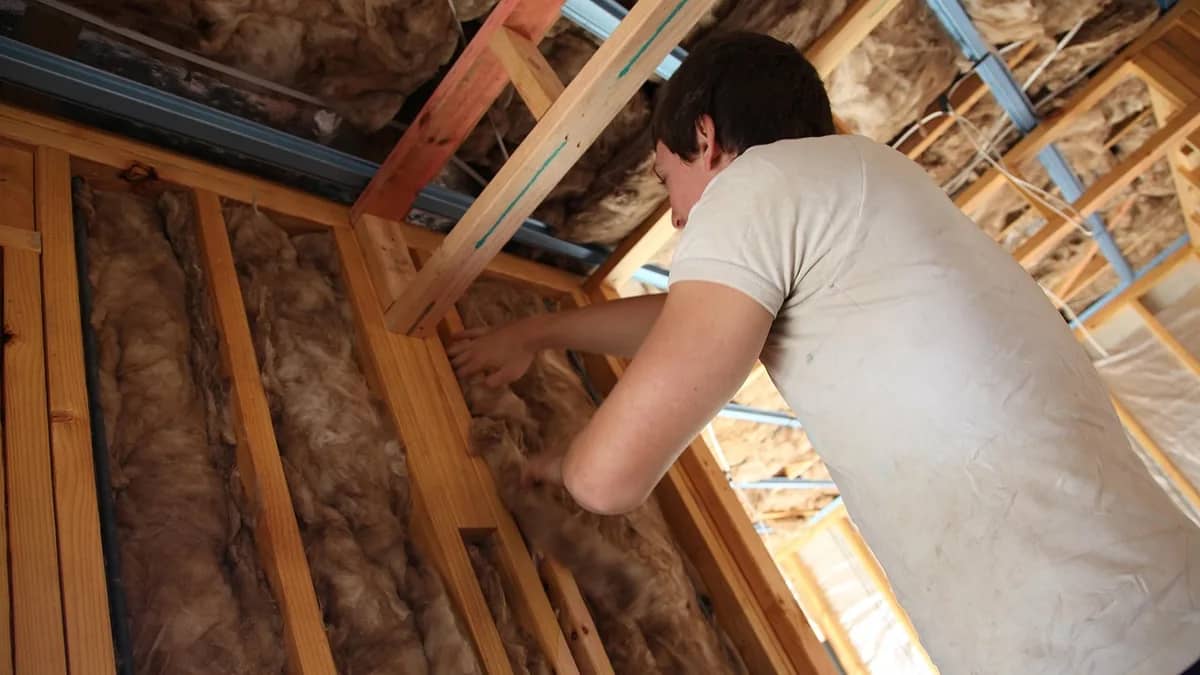
Batts are pre-cut fiberglass or mineral wool blankets sized for 16 or 24 inch stud spacing. They work in open, square bays when they are cut tight around wires and boxes, and they leave voids when they are not.

Blown-in fills around obstructions and leaves fewer gaps, which is why it wins in attics and closed walls. In an addition with open framing, batts or spray foam insulation are the usual choice.

Our 4-Step Blown-In Insulation Process

  1. 1

    Pick the Product and Access

    We look at the cavity, the existing insulation, and how to reach it: attic hatch, gable end, exterior siding, or an interior wall. Product, depth or density, and hole locations go on your written scope.

  2. 2

    Protect the House

    Drop cloths go down along the path and the hatch opening gets masked. Can lights, flues, and chimneys get dams or clearance before fill goes near them.

  3. 3

    Blow or Dense-Pack

    Attics get blown to depth with depth markers set. Walls get filled bay by bay until the fill tube backs out at full density.

  4. 4

    Patch and Walkthrough

    Wall holes are plugged and patched, or the siding goes back on. You see the depth checks, and the work area gets cleaned up.

Blown-In Insulation FAQs

Cellulose or fiberglass: which one settles more in an attic?

Loose cellulose settles more in the first months, so it gets blown deeper than its settled target. The bag label lists the minimum settled thickness for each R-value. We blow to the installed number on that chart so the settled depth still hits your target.

How are dense-pack holes patched on siding or plaster walls?

From outside, a course of siding comes off, the holes go through the sheathing, and they get plugged before the siding goes back, so nothing shows. From inside, holes in plaster or drywall get a plug, patching compound, and primer, ready for your paint.

Will blown-in insulation cut noise between floors?

It helps with airborne noise like voices and TV, especially in a basement ceiling or an empty interior wall. Footsteps travel through the framing, so they need decoupling as well.

Can blown-in insulation go into a wall that already has some old insulation?

Sometimes. If old batts have slumped and left a gap at the top of the bay, dense-pack can often fill above them. If the cavity is mostly full, more fill adds little. A test hole or two shows which walls are worth doing, and we will tell you if a wall is not worth the patching.

Thin attic or empty walls?

We will check the cavities, pick the product, and send a free written estimate with depth or density spelled out.

Call NowGet Estimate