Rochester Premier Insulation

Spray Foam Insulation

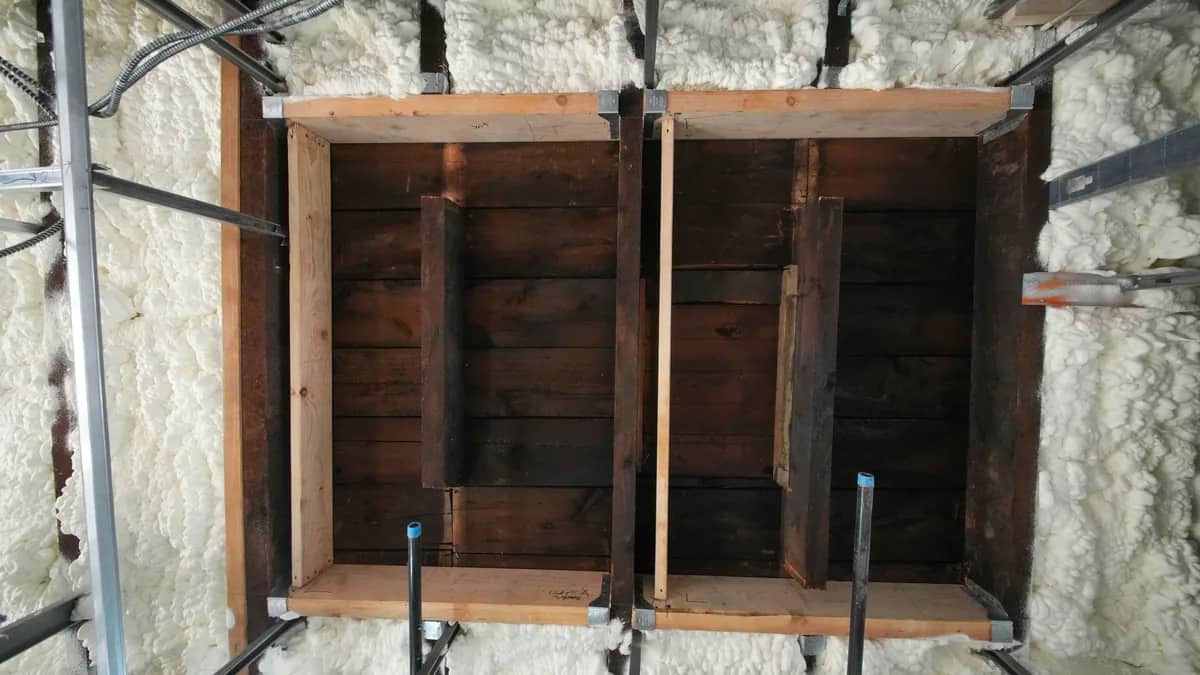
Rochester Premier Insulation sprays closed-cell and open-cell foam on roof decks, walls, additions, and rim joists in Rochester, MN. Spray foam insulation contractors often get compared on price per board foot, but the foam type and thickness decide how the assembly performs, so we set both from your framing. Every installation starts with a free on-site estimate and a written scope that lists the foam, the target thickness, and each area to be sprayed.

We also spray foam for homes and shops in Byron, Stewartville, Pine Island, and Kasson.

  • Closed-cell at about 2 lb density, open-cell at about 0.5 lb
  • Foam type and thickness written on the estimate
  • Re-entry time taken from the product data sheet
  • Roof decks, stud walls, rim joists, and pole barns
Get My Free Estimate

Get Your Free Estimate

We will call you to set up your free estimate.

Closed-Cell and Open-Cell Spray Foam Installation

Closed-cell and open-cell foam do different jobs. Here is where each one fits in a Rochester house or shop.

Closed-Cell Spray Foam

Closed-cell foam cures at about 2 pounds per cubic foot and runs roughly R-6 to R-6.5 per inch, depending on the product. At about 1.5 to 2 inches, most closed-cell products also act as a vapor retarder.

That combination is why it goes where cold and moisture meet: rim joists, below-grade walls, and roof decks with no room for a vent channel. It costs more per unit of R-value than blown fill, so we use it where the density earns its keep.

Open-Cell Spray Foam

Open-cell is the half-pound product. It expands to fill odd framing bays and wraps around wiring and plumbing, then stays soft and vapor-open at roughly R-3.5 to R-4 per inch. Sprayed to full depth, it air-seals as well as closed-cell.

Being vapor-open is the catch in a cold climate. On a roof deck in climate zone 6, open-cell needs an interior vapor retarder coating or membrane so moisture from the house does not reach the cold sheathing. That detail belongs on the estimate before anyone sprays.

Spray Foam on Attic Roof Decks and Cathedral Ceilings

Foam on the underside of the roof deck brings the attic inside the heated space. It makes sense when a furnace or ductwork sits in the attic, or when a cathedral ceiling leaves no depth for vented fill. Soffit and ridge vents get closed off, and the roof becomes one unvented assembly.

Most attics over a flat ceiling do better with air sealing and blown fill on the attic floor. Our attic insulation services page covers that route.

Spray Foam in Walls and Additions

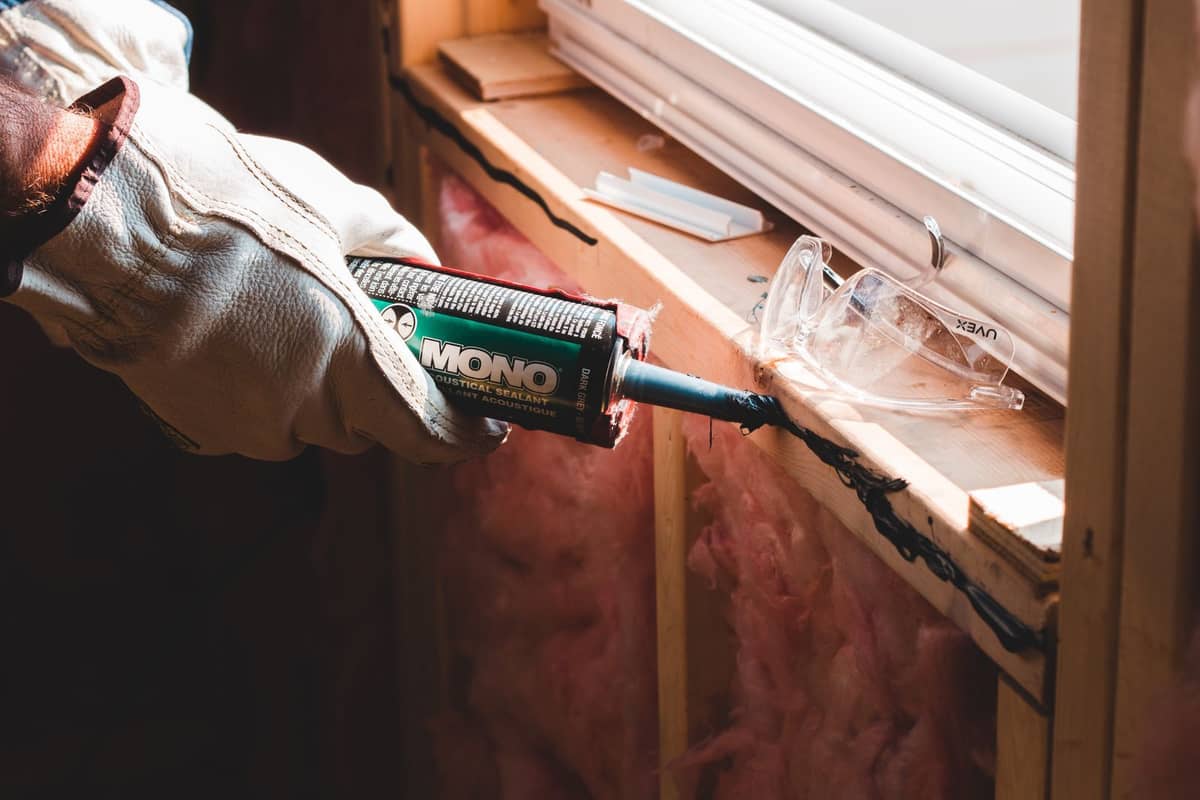
Open stud walls in an addition, a gut remodel, or a knee wall are where foam in walls pays off. One pass seals the top and bottom plates, electrical boxes, and window rough openings, then the foam gets trimmed flush with the studs so drywall sits flat.

Finished walls are a different job. Filling a closed wall through small holes is dense-pack work, covered on our blown-in insulation page.

Spray Foam for Rim Joists and Basement Walls

The rim joist, the band of framing sitting on top of the foundation, leaks more air than most basement walls. About 2 inches of closed-cell foam seals the sill plate gap and insulates the band in one step. Rochester and Olmsted County code limits how thick exposed foam can be there, along with density and flame-spread limits, so thickness follows the product label.

On poured or block basement walls, closed-cell foam or foam board goes right against the concrete and keeps humid indoor air off the cold wall. ENERGY STAR's target for basement walls in our climate zone is R-15 continuous or R-19 in a stud cavity. Damp walls, white mineral crust, or a wet sill get sorted out first, and in a basement you plan to finish, the foam is laid out so framing and drywall can follow.

Spray Foam for Pole Barns and Shops

Steel siding and roof panels drip when warm, humid air hits them in winter. Closed-cell foam sprayed onto clean, dry steel stops that contact and adds R-value without a separate liner. Full building jobs are covered on our commercial insulation services page.

Garage ceilings, garage walls, and the rooms above them are covered on our garage insulation page.

Our 4-Step Spray Foam Insulation Process

  1. 1

    Check the Assembly

    We look at what the foam will touch: roof deck, rim joist, stud wall, or steel. Moisture readings, framing depth, and any vents or wiring that must stay clear set the foam type and thickness on your written scope.

  2. 2

    Mask and Ventilate

    Windows, floors, and anything that must stay clean get covered in plastic. Fans exhaust the work area, and everyone else in the house, pets included, stays out while foam goes on.

  3. 3

    Spray to Thickness

    Foam goes on in passes, with substrate temperature and mix ratio checked at the rig. Closed-cell sprayed too thick in one lift can overheat, so depth gets probed as the work moves.

  4. 4

    Trim and Walkthrough

    Overspray is trimmed flush with the studs. You see the measured depths, and we confirm the re-entry time from the manufacturer's data sheet before you go back in.

Spray Foam Insulation FAQs

Should closed-cell or open-cell foam go on my roof deck?

In a Rochester winter, closed-cell is usually the safer pick on a roof deck. At about 2 inches it resists vapor on its own. Open-cell can work, but in climate zone 6 it needs an interior vapor retarder and more depth to reach the same R-value. We look at the rafters and what sits below before recommending one.

How long before we can be back in the house after spraying?

EPA's guidance is that occupants stay out during spraying and come back only after the foam has cured, the area has been ventilated, and cleanup is done. Some manufacturers list 24 hours, but it varies by product. We go by the data sheet for the foam on your job and tell you the re-entry time before we start.

Does closed-cell foam on a rim joist still need a separate vapor barrier?

Usually not. At roughly 1.5 to 2 inches, most closed-cell products act as a vapor retarder by themselves, and a poly sheet over the foam can trap moisture. The thickness that qualifies is listed by the manufacturer, and that is the number we write on the scope.

Can spray foam go over old fiberglass batts?

No. Foam has to bond to the framing or sheathing to air-seal. Old batts come out first, and it pays to ask why they were there. A damp rim or a stained roof deck needs fixing before foam covers it.

What should I ask spray foam contractors before they start?

Ask which product they plan to use, open-cell or closed-cell, and the target thickness for each area. Ask how they ventilate, how long you stay out, and whether exposed foam in your basement or attic needs a covering under Rochester and Olmsted County code. Get all of it in writing.

Planning spray foam for a roof deck, rim joist, or shop?

Tell us what you are insulating. We will look at the assembly in person and send a free written estimate.

Call NowGet Estimate