Rochester Premier Insulation

Commercial Insulation Services

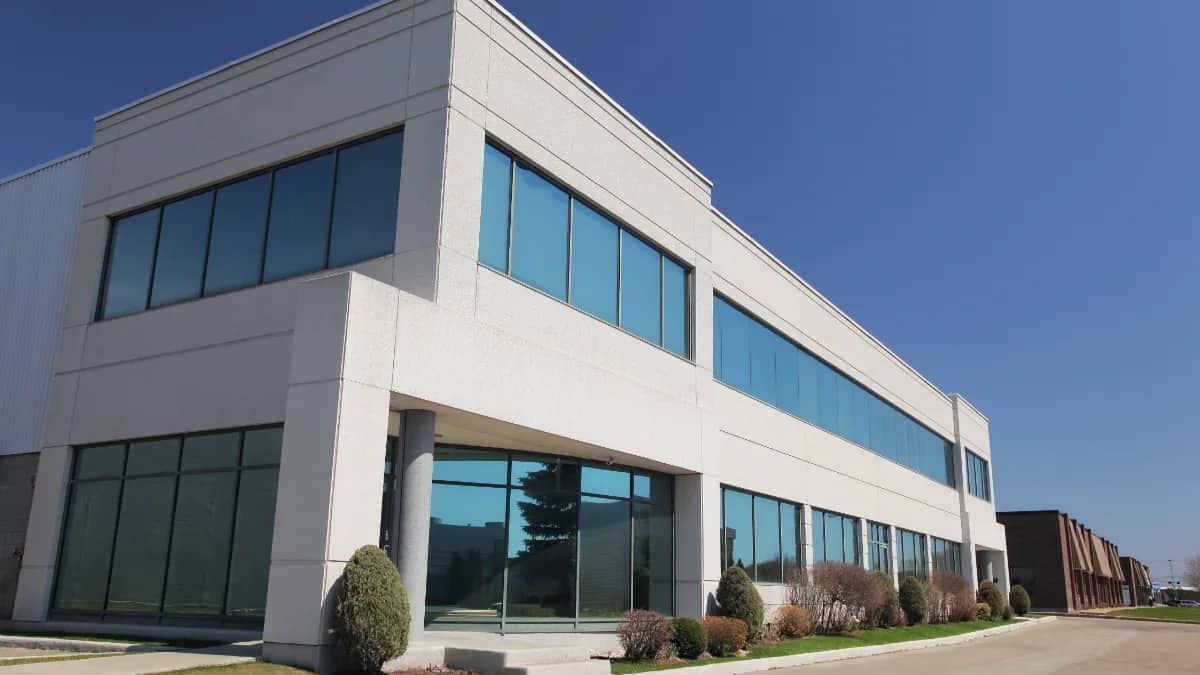
Rochester Premier Insulation insulates metal buildings, pole barns, warehouses, and offices for businesses in Rochester, MN. Commercial insulation contractors get picked on schedule as much as price, so we plan the work around your hours, docks, and equipment. The building type sets the product, from faced fiberglass blanket in a steel building to closed-cell foam on a pole barn. A free on-site walk-through comes first, then a written scope.

Farms, shops, and businesses in Byron, Stewartville, Pine Island, and Kasson are part of the same schedule.

  • Metal buildings, pole barns, warehouses, and offices
  • Evening and weekend work when your floor has to stay open
  • Roof condensation traced to its source
  • Product and R-value listed by area on the scope
Get My Free Estimate

Get Your Free Estimate

We will call you to set up your free estimate.

Commercial Insulation by Building Type

Offices, warehouses, and metal buildings each fail in different ways. The building type sets the product.

Metal Building Insulation

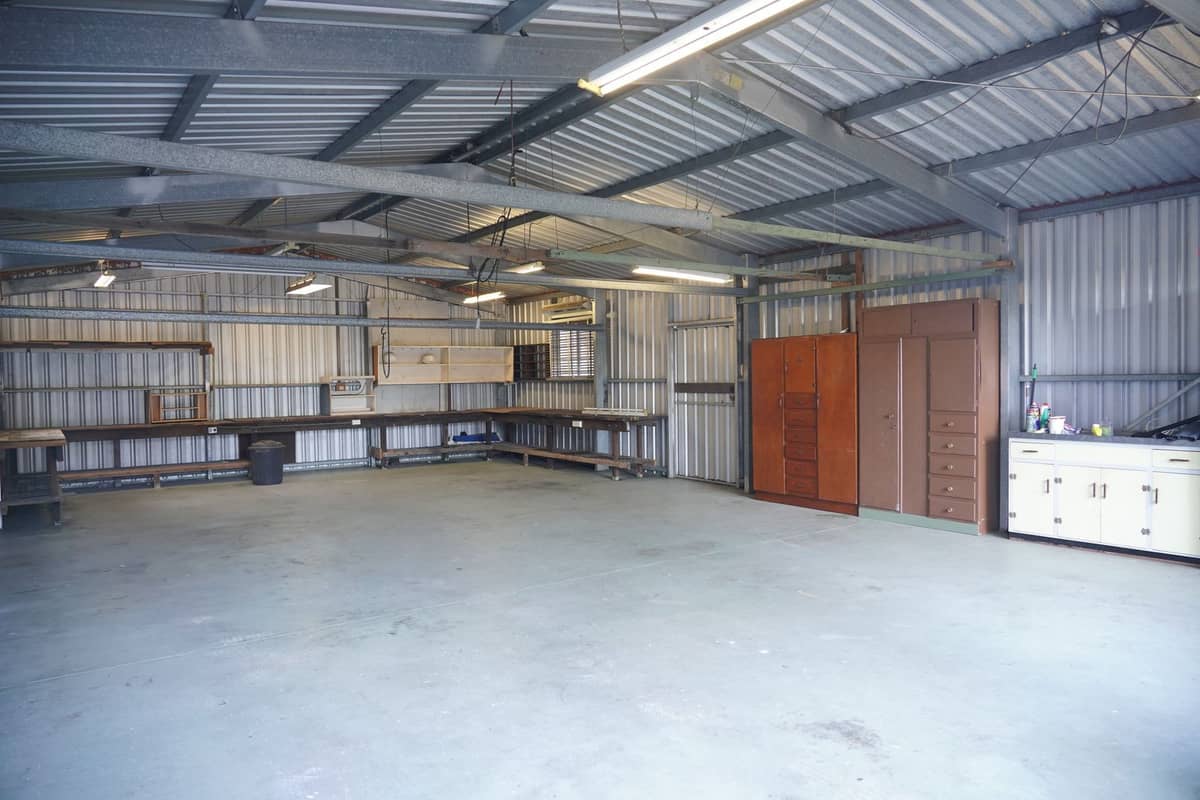
Pre-engineered steel buildings usually get faced fiberglass blanket draped over the purlins and girts, with the vapor-retarder facing (vinyl or reinforced laminate) toward the inside. Where blanket gets crushed at the purlins, thermal blocks or a liner system keep the R-value up. Facing seams get taped or stapled tight so moist air cannot reach the steel.

In an existing building with the roof panels staying on, retrofit work usually means a liner system hung below the purlins or spray foam applied to the panels.

Pole Barn Insulation

Pole barns have wood posts and trusses under steel skin, so there are more options than in a metal building. Closed-cell foam on the steel stops condensation and air leaks in one step.

Batts between the girts behind a vapor retarder work for walls, and blown cellulose over a ceiling liner works when the barn has a flat ceiling. A heated shop needs a lot more than cold storage for machinery. The skirt board at the base of the wall sees splash and snowmelt, so batts stop above it and foam or rigid board covers the bottom course.

Warehouse and Industrial Insulation

High-bay buildings lose heat through the roof in winter and gain it back in summer, so the roof and the wall-to-roof joint matter most. Clearances, racking, sprinkler lines, and lift access get checked before choosing spray foam, a liner system, or blanket.

Dock doors and the joint where wall panels meet the slab get checked too, since cold air pours in at floor level. Work runs around your shifts, with lifts staged where they will not block the docks.

Office and Commercial Buildings

Offices, clinics, and storefronts usually need above-ceiling insulation, wall cavity fill, and air sealing at the roof line. A drop ceiling gives access without much disruption. Rooftop unit curbs, roof drains, and parapet walls are common leak points worth sealing while the ceiling is open.

Evening or weekend work keeps your floor open, and dust control around tenants and customers is part of the plan.

Commercial Spray Foam Insulation

Spray foam fits commercial buildings where the shape is irregular or air leakage is the main problem: metal roofs, block walls, and additions. Closed-cell adds R-value and a vapor retarder in one layer.

Depending on occupancy, foam in a commercial space may need a thermal or ignition barrier over it, so that gets confirmed with your building official before spraying. Residential foam work is on our spray foam insulation page.

Condensation Control Under Metal Roofs

Water dripping inside a metal building in winter is usually condensation, not a roof leak. Warm, humid air meets steel that is below the dew point, and water forms on the panels and purlins.

The fix is keeping that air off the steel: a continuous vapor-retarder facing with taped seams, or closed-cell foam on the panels, plus ventilation where vehicles, livestock, or wash bays add moisture. Frost on the underside of the roof during a cold snap is the same problem, and it rains down when the sun warms the panels.

Our 4-Step Commercial Insulation Process

  1. 1

    Walk the Building

    We walk the building with you and note the framing, existing insulation, signs of moisture, and what runs overhead. Lift and equipment access gets mapped.

  2. 2

    Match the Product

    The building type sets the product: blanket and liner, spray foam, or blown fill. The scope lists product and R-value by area.

  3. 3

    Schedule Around Your Hours

    Work gets split into zones and scheduled around shifts, deliveries, or tenants, including evenings and weekends.

  4. 4

    Closeout Walkthrough

    You walk the finished building with us, seams and coverage get checked, and the area is cleared so work can resume.

Commercial Insulation FAQs

Can insulation work happen while our building stays open?

Usually. The building gets split into zones, and work runs around shifts, docks, and customer hours. Spray foam zones have to stay empty during spraying and until the manufacturer's re-entry time passes, so those get scheduled for nights or weekends.

What stops condensation dripping from a metal building roof?

Keeping warm, moist air off the cold steel. That means a continuous vapor retarder with sealed seams, or closed-cell foam right on the panels, plus fewer moisture sources and some ventilation where needed.

Is pole barn insulation different from insulating a steel shop?

Yes. A pole barn has wood posts and trusses, so it can take batts between the girts, blown fill over a ceiling, or spray foam. A pre-engineered steel building usually gets faced blanket over the purlins or a liner system.

Is spray foam a good fit for a commercial building?

It is for irregular shapes, metal roofs, and leaky assemblies. For large flat ceilings, blown fill or blanket often costs less for the same R-value, and we quote whichever fits the building.

What should we have ready before a commercial insulation contractor walks the building?

Building drawings if you have them, access to the roof space and mechanical rooms, your operating hours, and any history of condensation or leaks. That lets us scope the job in one visit.

Condensation, cold floors, or a building that will not hold heat?

We will walk the building with you and send a free written scope, scheduled around your hours.

Call NowGet Estimate