Rochester Premier Insulation

Insulation Removal Services

Rochester Premier Insulation removes wet, rodent-damaged, and packed attic insulation for homes in Rochester, MN, then air seals and reinsulates. An insulation removal company should earn the tear-out, so we look at the fill before quoting and tell you when clean, dry insulation can stay. Old fill leaves through a vacuum hose into sealed bags, and unlike a contractor who only hauls it away, we seal the attic floor before new insulation goes back. Your free on-site estimate spells out what comes out and what replaces it.

Attics in Byron, Stewartville, Pine Island, and Kasson get the same inspection before any removal.

  • Fill inspected before any tear-out is quoted
  • Vacuum removal into sealed bags, hauled off site
  • Vermiculite left undisturbed and referred to testing
  • Attic floor air sealed before reinsulating
Get My Free Estimate

Get Your Free Estimate

We will call you to set up your free estimate.

Insulation Removal and Replacement

Removal is a judgment call, not a default. Wet, packed, or contaminated fill comes out. Clean, dry fill can often stay.

Attic Insulation Removal

Old attic fill comes out when it is wet, damaged, soiled by rodents, full of debris, or packed so flat that topping it off would not reach the target. Other common reasons: fill that has settled into a thin, uneven layer, patches matted by old leaks, and mixed layers from past top-offs.

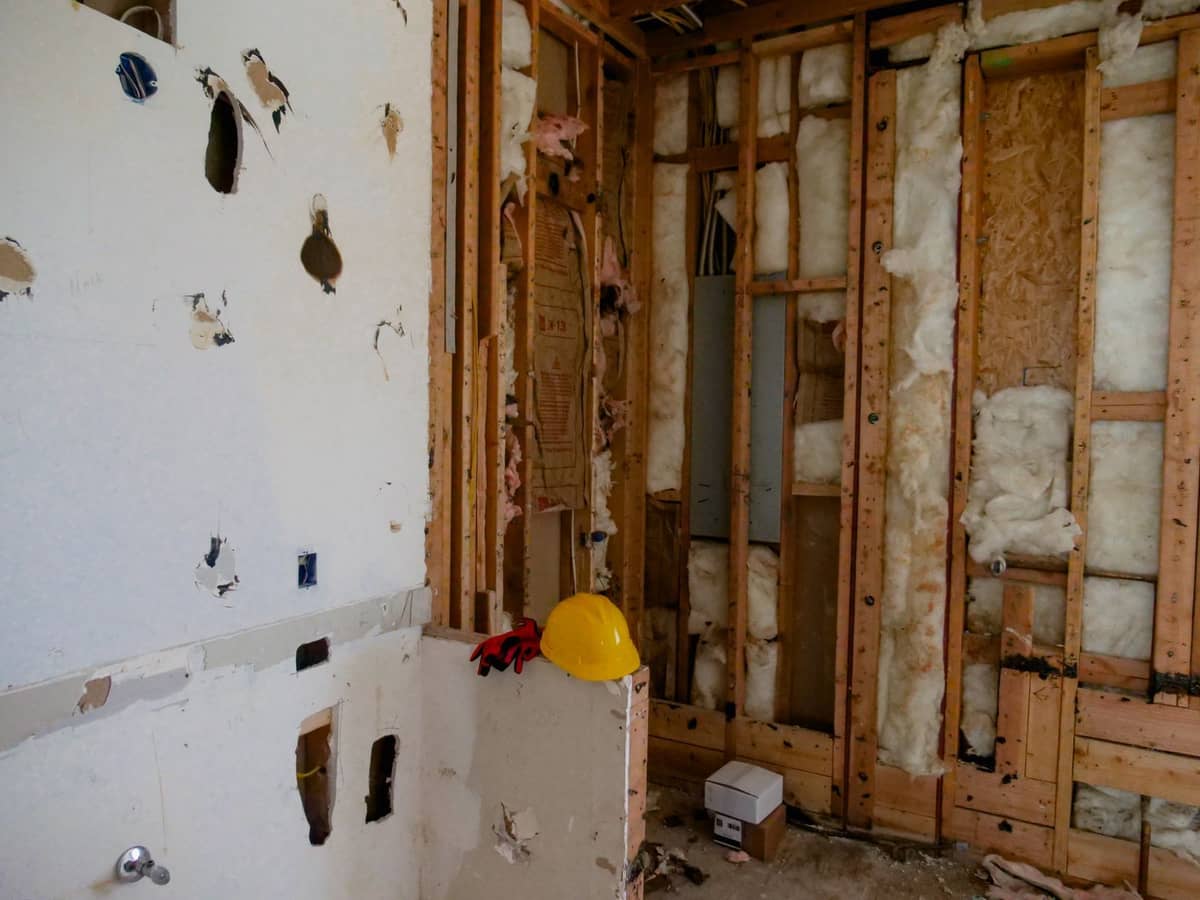
A full tear-out exposes the attic floor, which is the best chance you will get to seal top plates, wiring holes, and chases. New attic insulation goes in to full depth after that.

Vacuum Extraction

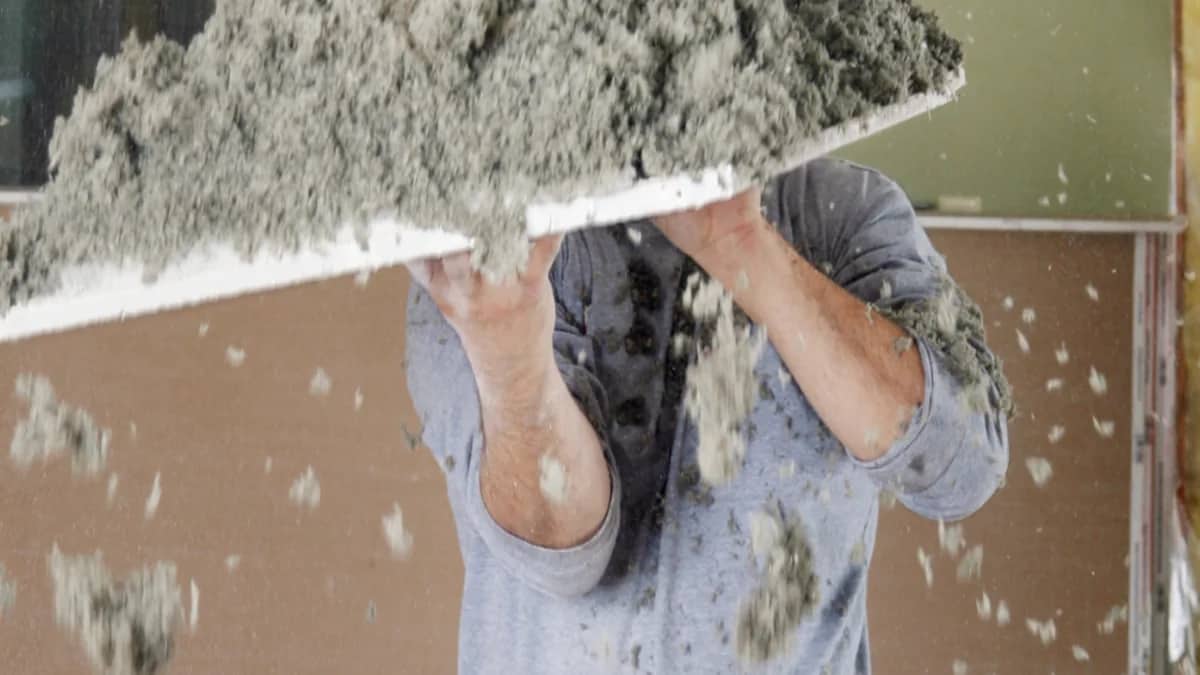
Removal runs through a high-powered insulation vacuum, usually truck- or trailer-mounted, with the hose brought in through the attic hatch or a gable vent. Fill goes straight into large bags outside and never gets carried loose through the house.

Hallways and the hatch area get drop cloths and masking, and everyone in the attic wears a respirator.

Rodent- and Water-Damaged Insulation

Mice and squirrels tunnel through fill, leave droppings and urine, and pack it down. A roof leak leaves wet, matted patches. Both cut the R-value and hold odors.

Droppings are a health hazard, which is why respirators and sealed bags are not optional on these jobs. Contaminated fill gets vacuumed out and bagged. The entry points and the leak need fixing before new insulation goes in, or the problem comes right back.

Vermiculite: Test Before Anyone Disturbs It

Vermiculite is a pebbly, gray-brown or gold fill found in some older attics, and some of it contains asbestos. EPA and the Minnesota Department of Health both advise leaving it undisturbed.

If it has to come out, the job belongs to a trained, accredited asbestos abatement contractor. We do not remove vermiculite or blow over it. We stop, tell you what we saw, and point you to testing.

Wet Insulation & Attic Moisture

Moisture on roof sheathing usually traces back to warm, moist air leaking up from the house, bath fans venting into the attic, blocked soffit vents, or a roof leak. Wet or damaged insulation comes out. A bath fan duct that falls off its vent and blows into the attic is a common culprit.

Mold cleanup is a separate remediation service, so we point you to a remediation contractor for that. The insulation side is ours: removal, air sealing, bath fans ducted outside, and new fill once the wood is dry.

Remove or Top Off

Most attics do not need a tear-out. If the fill is dry, clean, and just thin, a new layer goes right on top.

Removal makes sense for contamination, water damage, an air sealing job that needs the floor bare, or fill too uneven to level. Removal costs more and takes longer, so it has to buy you something a top-off cannot. Your estimate says which one, and why.

Our 4-Step Insulation Removal Process

  1. 1

    Inspect the Material

    We identify the fill, check for moisture, damage, droppings, and vermiculite, and look at the roof deck and vents. That decides remove or top off.

  2. 2

    Contain the Work Area

    The path from the hatch to the outside gets covered, and the hatch opening is masked so dust stays in the attic.

  3. 3

    Vacuum Out and Bag

    The vacuum hose pulls old fill into sealed bags outside, and the bags leave with us. The attic floor gets vacuumed down to the drywall so nothing is left under the new layer.

  4. 4

    Seal and Reinsulate

    With the floor bare, top plates, penetrations, and chases get sealed. Baffles go in, then new fill is blown to depth.

Insulation Removal FAQs

How is old attic insulation removed without spreading dust through the house?

The vacuum does the work. Fill travels through a hose from the attic to bags outside, never through your hallways. We cover the route, mask the hatch, and clean up before leaving.

What should I do if my attic has vermiculite?

Leave it alone. Do not move it, sweep it, or store boxes on it. EPA and the Minnesota Department of Health recommend leaving it undisturbed, and hiring a trained, accredited asbestos abatement contractor if it has to come out.

Does insulation have to come out after mice or a roof leak?

Not always. A small wet patch from a leak that has been fixed can be pulled and replaced locally. Droppings, urine odor, or tunnels across the whole attic usually mean a full removal.

How long between removal and the new insulation going in?

Often the same visit or the next day once sealing is done, but we give you the timing after we see the attic. If the roof deck or framing is wet, new fill waits until it dries.

What should I ask an insulation removal company before hiring one?

Ask how they keep dust out of the house, where the old material goes, and whether air sealing is included before new insulation. Ask what they do if they find vermiculite. If the answer to that one is "vacuum it out," keep looking.

Mice, a roof leak, or packed old fill?

We will look at the insulation first and tell you whether it needs to come out, then send a free written estimate.

Call NowGet Estimate